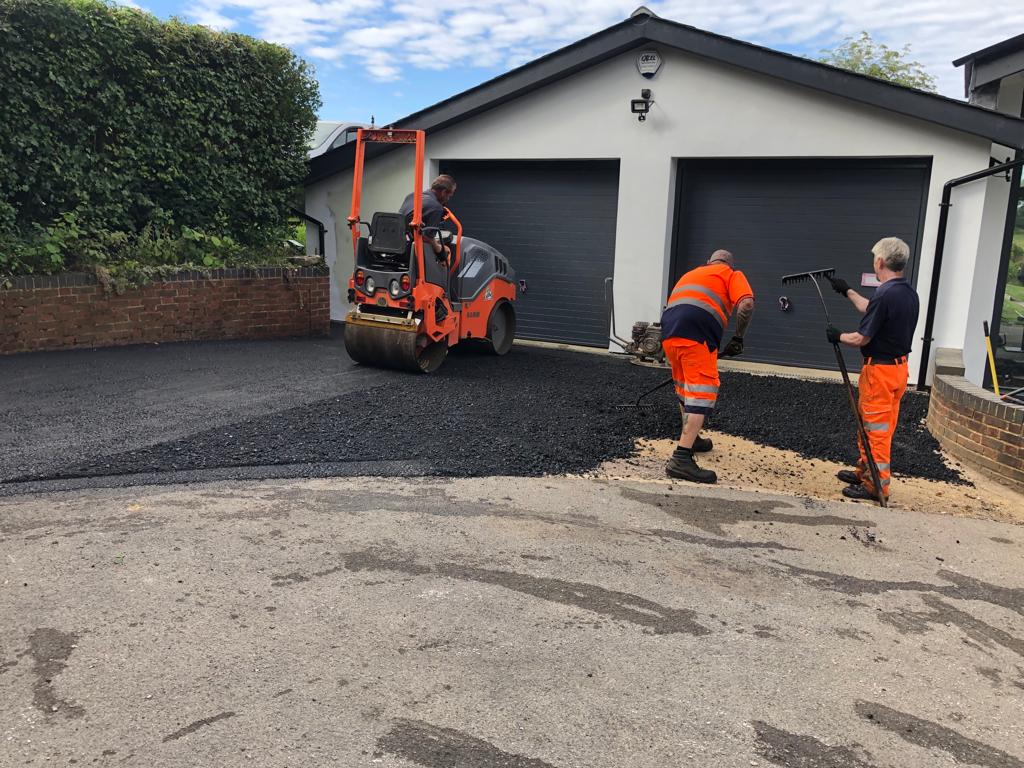
Potholes developing around a driveway entrance can be particularly frustrating because this is one of the most heavily used parts of the surface. Vehicles repeatedly brake, turn, accelerate and cross the same section, placing concentrated stress on the pavement. When this is combined with water infiltration, weak edges or an inadequate foundation, small defects can gradually develop into significant potholes.
For property owners in Craigieburn, VIC, understanding why potholes are forming is important because simply filling the visible hole may not address the underlying problem. At Craigieburn Road Tech, we provide professional asphalt and bitumen surfacing solutions with a focus on identifying the cause of pavement deterioration and delivering repairs that support reliable long-term performance.
Why Driveway Entrances Experience Greater Stress
A driveway entrance often experiences different forces from the main section of the driveway.
Vehicles may approach at an angle, turn sharply onto the surface or brake before entering. These movements create horizontal and twisting forces that can place additional stress on the asphalt.
Driveway entrances may also accommodate:
- Daily vehicle movements
- Delivery vehicles
- Visitors
- Vehicles turning while stationary or moving slowly
- Occasional heavier traffic
If the pavement structure is already weakened, these repeated movements can accelerate deterioration.
Water May Be Getting Beneath the Asphalt
Water is one of the most common contributors to pothole formation.
Small cracks or deteriorated edges can allow moisture to penetrate beneath the asphalt. Once water reaches the pavement base, it can weaken the materials responsible for supporting the surface.
Traffic then repeatedly passes over the weakened section. Without consistent support underneath, the asphalt begins to flex, crack and break apart.
Eventually, loose material is displaced and a pothole develops.
Poor Drainage Can Concentrate Damage at the Entrance
Driveway entrances can be particularly vulnerable to drainage problems because they often sit where different surface levels meet.
After rainfall, check whether water:
- Pools near the driveway entrance
- Runs repeatedly across the same section
- Collects in existing depressions
- Flows along deteriorating pavement edges
Persistent water around the entrance can accelerate both surface and foundation deterioration.
Correct drainage and grading are therefore important parts of preventing recurring pothole problems.
Weak Pavement Edges Can Begin to Break Away
The edges of an asphalt driveway do not always have the same level of support as the central pavement.
If vehicles regularly drive close to or across an unsupported edge, the asphalt can gradually crack and crumble. Once the edge begins breaking down, water can enter more easily and the damaged area can spread towards the centre of the driveway.
Good edge support is especially important at entrances where vehicles regularly transition onto and off the pavement.
The Base May Not Be Strong Enough
A durable asphalt driveway depends heavily on the quality of the foundation underneath it.
If the base was inadequately prepared, insufficiently compacted or not designed for the traffic using the driveway, movement can develop beneath the surface.
Signs of possible foundation problems include:
- Repeated potholes in the same area
- Noticeable depressions
- Cracks surrounding repaired sections
- Uneven pavement levels
- Sections that continue deteriorating after patching
In these situations, repairing only the surface may not provide a lasting result.
Turning Vehicles Can Accelerate Surface Wear
Driveway entrances frequently experience turning movements rather than straight-line traffic.
When tyres turn against the pavement, particularly at low speeds, they can create additional stress across the surface. This becomes more significant when the asphalt is already aged, cracked or poorly supported.
Over time, repeated turning movements can loosen surface material and contribute to localised deterioration.
Small Cracks Often Come Before Potholes
Potholes rarely appear without earlier warning signs.
The deterioration process often begins with minor cracking. Water enters through these openings, the pavement beneath becomes weaker and vehicle traffic gradually breaks the unsupported asphalt apart.
Property owners should watch for:
- Fine cracks near the entrance
- Small pieces of loose asphalt
- Crumbling edges
- Shallow depressions
- Surface movement
- Areas where water collects
Addressing these warning signs early can help prevent a small defect from becoming a substantial pothole.
Why Filling the Hole May Not Be Enough
Pothole filling can be effective when the surrounding pavement and underlying base remain stable. However, repeatedly filling a pothole without investigating why it developed can result in the damage returning.
A professional repair should consider:
The Condition of the Base
Weak or saturated material beneath the pothole may need attention before the surface is restored.
Surrounding Asphalt
Cracked or unstable pavement around the pothole may also need to be removed or repaired.
Drainage
If water caused or contributed to the failure, the drainage issue should be addressed.
Traffic Demands
The repaired pavement needs to be suitable for the vehicles and movements regularly occurring at the entrance.
Treating the cause as well as the visible damage provides a stronger basis for a durable repair.
When Resurfacing May Be Worth Considering
If potholes are appearing alongside widespread cracking, surface wear or multiple previous repairs, the problem may extend beyond one isolated area.
Where the underlying pavement remains structurally suitable, asphalt resurfacing can provide a new wearing surface across a larger section of the driveway. Existing defects must first be appropriately repaired and the surface prepared before new asphalt is installed.
If deeper structural failure is present, additional foundation work may be required instead.
How Professional Assessment Helps
Potholes can look similar on the surface while having very different underlying causes.
At Craigieburn Road Tech, we assess asphalt and bitumen surfaces throughout Craigieburn, VIC to determine what is contributing to the deterioration. Looking at drainage, pavement condition, traffic patterns, edge support and the underlying structure helps identify whether localised repair, resurfacing or more extensive preparation is appropriate.
This approach focuses on improving the performance of the pavement rather than simply hiding the visible defect.
Preventing Potholes from Returning
Once repairs have been completed, ongoing observation and maintenance can help protect the driveway entrance.
Useful preventative measures include:
- Repairing developing cracks promptly
- Keeping drainage paths functioning
- Monitoring low spots after rainfall
- Protecting vulnerable pavement edges
- Addressing loose or deteriorating material
- Having recurring defects professionally assessed
Early attention is particularly valuable at driveway entrances because of the concentrated traffic stresses these areas receive.
Conclusion
Potholes along a driveway entrance usually develop because several factors are working together. Repeated turning and braking movements, water infiltration, poor drainage, unsupported edges and weaknesses in the pavement foundation can all contribute to deterioration. The visible pothole is often the final result of a problem that has been developing beneath or around the surface for some time.
For property owners in Craigieburn, VIC, Craigieburn Road Tech provides professional asphalt and bitumen surfacing, repair and resurfacing solutions tailored to the condition of each pavement. If potholes are developing or repeatedly returning around your driveway entrance, our team can assess the cause and recommend a practical solution designed to restore dependable access and protect the surrounding surface.
Call us on: 03 4159 2883
Click here to find out more about Craigieburn Road Tech
Click here to complete our contact form and see how we can help with your driveway needs.