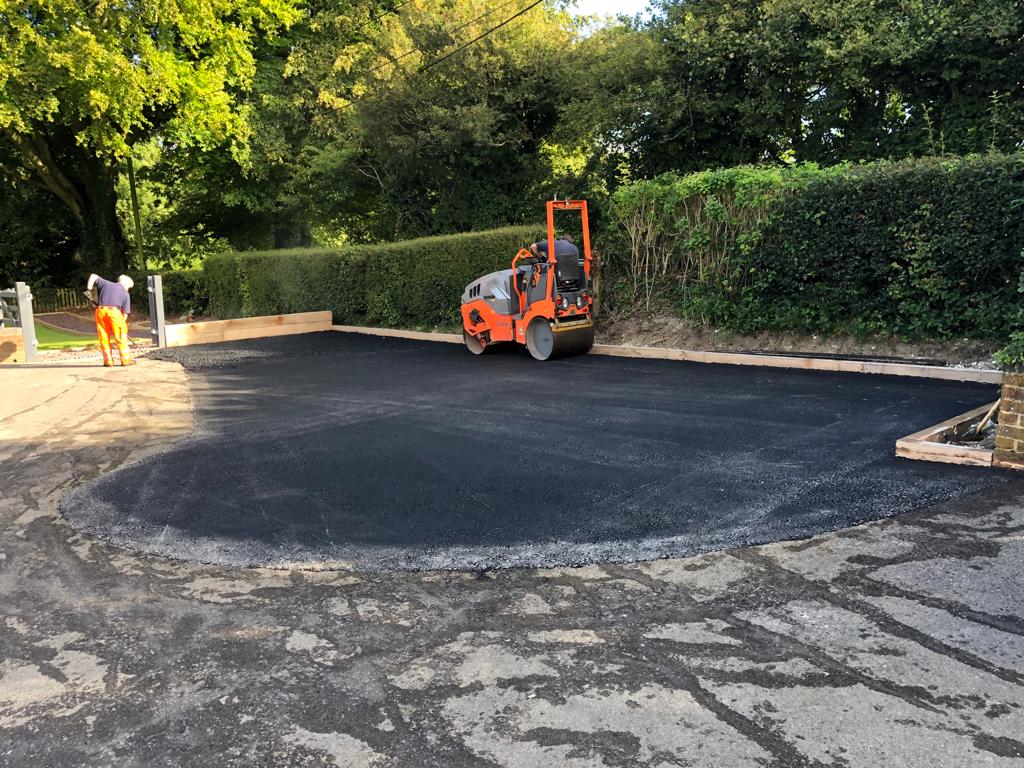
A hardstand is more than simply a large area of asphalt or bitumen. When designed and constructed around the way a site operates, it creates a stable, durable surface for vehicles, machinery, storage and day-to-day movement. This can make an important difference to how efficiently an outdoor working area functions.
For commercial, industrial and other working properties in Craigieburn, VIC, a purpose-built hardstand can replace uneven, loose or deteriorating ground with a surface designed for its intended use. The quality of the finished hardstand, however, depends heavily on what happens beneath the visible surface. Appropriate preparation, pavement strength, grading, drainage and compaction all contribute to long-term performance.
What Makes a Hardstand Purpose-Built?
A purpose-built hardstand is constructed according to the conditions and demands of the individual site rather than treating every outdoor surface in the same way.
Before construction begins, consideration should be given to factors such as the types of vehicles using the area, expected traffic frequency, parking requirements, turning movements, machinery use and existing ground conditions.
A hardstand regularly carrying heavy vehicles has different demands from an area primarily used for lighter traffic. Similarly, a loading or manoeuvring area may experience concentrated stresses that are not present in a straightforward parking section.
Understanding these requirements helps determine how the pavement should be prepared and constructed.
Creating a More Stable Area for Vehicles and Machinery
Unsealed or deteriorated surfaces can become increasingly difficult to use when they develop ruts, loose material, potholes or soft sections.
These irregularities can make vehicle movements less predictable and create an uncomfortable working surface. Machinery and parked vehicles may also sit unevenly where the ground has become deformed.
A properly constructed hardstand provides a more consistent platform.
By preparing and compacting the pavement foundation before installing the finished surface, the hardstand can distribute loads more effectively and provide dependable support for routine site activities.
Improving Vehicle Movement Around the Site
The way vehicles move through a working property can have a significant influence on day-to-day operations.
Drivers may need to enter, turn, reverse, park, load and leave within the same outdoor area. When the surface is rough or uneven, these movements can become slower and less convenient.
A purpose-built hardstand can be shaped around expected traffic movements.
Creating a firm, consistent surface helps vehicles travel through the site without having to continually avoid potholes, deep ruts or soft ground. This can make the working area more practical and organised, particularly where vehicle movements occur throughout the day.
A Strong Foundation Is Essential
The asphalt or bitumen surface is only one component of a hardstand.
Its performance depends heavily on the pavement underneath.
Before surfacing, the site needs to provide a stable foundation capable of supporting the expected loads. Weak or poorly prepared material can move under traffic, causing the finished surface to settle, crack or deform.
Professional hardstand construction therefore places significant emphasis on preparation.
Unsuitable material may need to be addressed, while pavement layers need to be placed and compacted appropriately. This creates the stable platform required for the finished hardstand to perform as intended.
Compaction Helps the Hardstand Remain Consistent
Compaction is particularly important in areas exposed to repeated vehicle loads.
If pavement materials are left loose, they can continue compressing after the hardstand enters service. This may cause certain sections to settle more than others.
Depressions can then develop, creating uneven vehicle areas and low points where rainwater collects.
Correct compaction during construction helps minimise unnecessary movement within the pavement and provides more consistent support beneath the surface.
Better Drainage Creates a More Practical Working Area
A large hardstand needs somewhere for rainwater to go.
Simply installing asphalt over a flat or poorly shaped area can leave low points where water collects. Persistent standing water can interfere with site use and may contribute to pavement deterioration if moisture reaches vulnerable areas.
Grading is therefore an important part of hardstand construction.
Appropriate surface falls allow water to move away from working areas rather than remain in wheel paths, parking positions and manoeuvring zones.
For hardstands in Craigieburn, drainage should be considered during the planning and preparation stages rather than treated as an afterthought.
Reducing Problems With Mud and Loose Material
Unsealed working areas can change considerably depending on surface and weather conditions.
Loose aggregate can move under vehicle tyres, while sections of exposed ground may become soft or muddy after rainfall. Repeated traffic can then create wheel ruts and uneven areas.
A surfaced hardstand provides a defined wearing surface that is better suited to regular vehicle movements.
It also reduces the amount of loose material displaced by tyres across the main working area, creating a more consistent environment for everyday operations.
Supporting Regular Heavy Vehicle Movements
Heavy vehicles place substantial demands on pavement.
The effect is particularly concentrated where vehicles repeatedly follow the same routes, park in the same positions or travel slowly while carrying significant loads.
A purpose-built hardstand should account for these demands during construction.
The pavement structure needs sufficient support beneath the wearing surface so that loads are distributed effectively. If the foundation is inadequate, the hardstand may eventually develop rutting, depressions, cracking or potholes.
Designing the pavement around its actual use provides a stronger basis for dependable performance.
Turning and Braking Areas Need Careful Consideration
Vehicles do not simply travel in straight lines across a hardstand.
Turning, braking and acceleration can place additional stresses on the surface, particularly where heavy vehicles regularly manoeuvre within confined areas.
These locations can deteriorate earlier if the pavement underneath does not provide suitable support.
Identifying high-use sections before construction allows the hardstand to be prepared with real traffic patterns in mind.
This is one of the key differences between a purpose-built working surface and simply covering an existing area with asphalt.
Creating Defined Parking and Storage Areas
Hardstands are often used for more than vehicle access.
They can provide stable areas for parking, machinery, equipment, materials and other operational requirements.
A consistent surfaced area makes it easier to organise how different sections of the property are used. Instead of working around soft ground, ruts or irregular levels, operators have a clearly defined surface that can support planned site activities.
The layout can also be considered during construction so that access routes, parking positions and working areas function together effectively.
A Smoother Surface Can Make Daily Operations Easier
Small surface defects can have a disproportionate effect on a busy working area.
Drivers may repeatedly slow down for potholes, avoid damaged sections or change their approach to turning areas. Machinery moving across rough ground can also experience unnecessary vibration.
Individually, these may seem like minor inconveniences. Across regular daily operations, however, they can make a site less practical to use.
A well-constructed hardstand creates a more uniform surface so routine movements can take place with fewer interruptions caused by poor pavement condition.
Hardstands Can Help Control Recurring Potholes
Potholes often develop where a pavement has lost support or where water and traffic repeatedly affect the same section.
On an unsealed or deteriorated working area, simply filling individual holes may provide limited improvement if the wider pavement remains uneven or poorly drained.
Constructing a hardstand allows the complete area to be considered.
The site can be graded, weak sections addressed and the foundation compacted before the wearing surface is installed. This provides an opportunity to correct broader pavement conditions rather than continually responding to individual defects.
Good Edge Support Matters
The outer sections of a hardstand should not be overlooked.
Where pavement edges are unsupported or surrounding material begins eroding, the surface can become vulnerable to cracking and breakup. This is particularly important where vehicles regularly travel close to the hardstand boundary.
Professional construction should consider how the pavement transitions into surrounding areas and whether the edges have suitable support.
Protecting these boundaries helps maintain the integrity of the wider hardstand.
The Surface Should Match How the Site Is Used
There is no single hardstand specification suitable for every property.
A site used for frequent heavy vehicle movements has different requirements from an area used predominantly for storage or lighter vehicles. Traffic volume, vehicle type, ground conditions, drainage and manoeuvring patterns all influence how the pavement should be constructed.
This is why professional assessment adds value before work begins.
Rather than focusing only on the finished surface, an experienced surfacing contractor can consider how the complete pavement needs to perform within the working environment.
Maintenance Becomes Easier to Plan
Even a well-built hardstand benefits from ongoing observation and maintenance.
Because the working area has a defined, consistent surface, changes in pavement condition can be easier to identify. Cracks, localised depressions, damaged edges or drainage problems can be noticed before they develop into more extensive defects.
Early repairs can then focus on specific areas while the surrounding pavement remains serviceable.
Maintaining drainage paths and addressing developing defects can also help protect the pavement structure underneath.
Why Professional Hardstand Construction Matters
The finished appearance of a hardstand is important, but performance begins below the surface.
Professional construction considers site preparation, pavement stability, grading, drainage, compaction, traffic loading and the intended use of the area before the wearing surface is completed.
These factors work together.
A smooth asphalt surface cannot compensate indefinitely for an unstable foundation, and a strong pavement can still experience problems if water is allowed to collect in poorly graded areas.
Taking a complete approach to construction provides a hardstand that is better suited to the practical demands of the property.
Conclusion
A purpose-built hardstand can improve a working environment by providing a stable, consistent surface for vehicles, machinery, parking, storage and everyday site movements. Appropriate grading can improve water movement, while proper foundation preparation and compaction help the pavement support the loads placed upon it.
The greatest benefit comes from constructing the hardstand around the way the site is actually used. Vehicle types, traffic patterns, turning areas, drainage and existing ground conditions should all influence the preparation and surfacing approach.
If you are considering a new or upgraded hardstand in Craigieburn, VIC, Craigieburn Road Tech can assess the existing area and recommend an appropriate asphalt or bitumen surfacing solution. Contact our team to discuss how a purpose-built hardstand could create a more practical and dependable working surface for your property.
Call us on: 03 4159 2883
Click here to find out more about Craigieburn Road Tech
Click here to complete our contact form and see how we can help with your driveway needs.